
Transfection & Electroporation Reagents
-


BioT (1 ml)
SKU: B01-01BioT is a lipid-based transfection reagent designed and formulated with proprietary technology for introducing DNA, siRNA and anti-sense oligonucleotides into a variety of eukaryotic cell lines and primary cells. It provides laboratories an excellent transfection reagent with high transfection efficiency, low cytotoxicity and low cost. Features High transfection efficiency for a broad range of adherent cells Low toxicity Convenient to use: simple to use and very stable Storage: 4oC recommended; Room temperature stable Shipping: Ambient temperature Selected publications of BioT Control of iron homeostasis by an iron-regulated ubiquitin ligase. Vashisht AA, Zumbrennen KB, Huang X, Powers DN, Durazo A, Sun D, Bhaskaran N, Persson A, Uhlen M, Sangfelt O, Spruck C, Leibold EA, Wohlschlegel JA. Science. 2009 Oct 30; 326 (5953): 718-21. Permissive secondary mutations enable the evolution of influenza oseltamivir resistance. Bloom JD, Gong LI, BaltimoreD. Science. 2010 Jun 4;328(5983):1272-5. Antibody-based protection against HIV infection by vectored immunoprophylaxis.Balazs AB, Chen J, Hong CM, Rao DS, Yang L, Baltimore D. Nature. 2011 Nov 30;481(7379):81-4. Regulation of an RNA granule during spermatogenesis: acetylation of MVH in the chromatoid body of germ cells.Nagamori I, Cruickshank VA, Sassone-Corsi P. J Cell Sci. 2011 Dec 15;124(Pt 24):4346-55. Regulation of Adipose Differentiation by Fructose and GluT5. Du L, Heaney AP. Mol Endocrinol. 2012 Jul 24. MMS19 assembles iron-sulfur proteins required for DNA metabolism and genomic integrity. Stehling O, Vashisht AA, Mascarenhas J, Jonsson ZO, Sharma T, Netz DJ, Pierik AJ, Wohlschlegel JA, Lill R. Science. 2012 Jul 13;337 (6091):195-9.
$329.40
-
BioT (0.5 ml)
SKU: B01-00BioT is a lipid-based transfection reagent designed and formulated with proprietary technology for introducing DNA, siRNA and anti-sense oligonucleotides into a variety of eukaryotic cell lines and primary cells. It provides laboratories an excellent transfection reagent with high transfection efficiency, low cytotoxicity and low cost. Features High transfection efficiency for a broad range of adherent cells Low toxicity Convenient to use: simple to use and very stable Storage: 4oC recommended; Room temperature stable Shipping: Ambient temperature Selected publications of BioT Control of iron homeostasis by an iron-regulated ubiquitin ligase. Vashisht AA, Zumbrennen KB, Huang X, Powers DN, Durazo A, Sun D, Bhaskaran N, Persson A, Uhlen M, Sangfelt O, Spruck C, Leibold EA, Wohlschlegel JA. Science. 2009 Oct 30; 326 (5953): 718-21. Permissive secondary mutations enable the evolution of influenza oseltamivir resistance. Bloom JD, Gong LI, BaltimoreD. Science. 2010 Jun 4;328(5983):1272-5. Antibody-based protection against HIV infection by vectored immunoprophylaxis.Balazs AB, Chen J, Hong CM, Rao DS, Yang L, Baltimore D. Nature. 2011 Nov 30;481(7379):81-4. Regulation of an RNA granule during spermatogenesis: acetylation of MVH in the chromatoid body of germ cells.Nagamori I, Cruickshank VA, Sassone-Corsi P. J Cell Sci. 2011 Dec 15;124(Pt 24):4346-55. Regulation of Adipose Differentiation by Fructose and GluT5. Du L, Heaney AP. Mol Endocrinol. 2012 Jul 24. MMS19 assembles iron-sulfur proteins required for DNA metabolism and genomic integrity. Stehling O, Vashisht AA, Mascarenhas J, Jonsson ZO, Sharma T, Netz DJ, Pierik AJ, Wohlschlegel JA, Lill R. Science. 2012 Jul 13;337 (6091):195-9.
$160.00
-
BioT (4x1 ml)
SKU: B01-02BioT is a lipid-based transfection reagent designed and formulated with proprietary technology for introducing DNA, siRNA and anti-sense oligonucleotides into a variety of eukaryotic cell lines and primary cells. It provides laboratories an excellent transfection reagent with high transfection efficiency, low cytotoxicity and low cost. Features High transfection efficiency for a broad range of adherent cells Low toxicity Convenient to use: simple to use and very stable Storage: 4oC recommended; Room temperature stable Shipping: Ambient temperature Selected publications of BioT Control of iron homeostasis by an iron-regulated ubiquitin ligase. Vashisht AA, Zumbrennen KB, Huang X, Powers DN, Durazo A, Sun D, Bhaskaran N, Persson A, Uhlen M, Sangfelt O, Spruck C, Leibold EA, Wohlschlegel JA. Science. 2009 Oct 30; 326 (5953): 718-21. Permissive secondary mutations enable the evolution of influenza oseltamivir resistance. Bloom JD, Gong LI, BaltimoreD. Science. 2010 Jun 4;328(5983):1272-5. Antibody-based protection against HIV infection by vectored immunoprophylaxis.Balazs AB, Chen J, Hong CM, Rao DS, Yang L, Baltimore D. Nature. 2011 Nov 30;481(7379):81-4. Regulation of an RNA granule during spermatogenesis: acetylation of MVH in the chromatoid body of germ cells.Nagamori I, Cruickshank VA, Sassone-Corsi P. J Cell Sci. 2011 Dec 15;124(Pt 24):4346-55. Regulation of Adipose Differentiation by Fructose and GluT5. Du L, Heaney AP. Mol Endocrinol. 2012 Jul 24. MMS19 assembles iron-sulfur proteins required for DNA metabolism and genomic integrity. Stehling O, Vashisht AA, Mascarenhas J, Jonsson ZO, Sharma T, Netz DJ, Pierik AJ, Wohlschlegel JA, Lill R. Science. 2012 Jul 13;337 (6091):195-9.
$1,176.50
-
BioT (50 ul)
SKU: B01SBioT is a lipid-based transfection reagent designed and formulated with proprietary technology for introducing DNA, siRNA and anti-sense oligonucleotides into a variety of eukaryotic cell lines and primary cells. It provides laboratories an excellent transfection reagent with high transfection efficiency, low cytotoxicity and low cost. Features High transfection efficiency for a broad range of adherent cells Low toxicity Convenient to use: simple to use and very stable Storage: 4oC recommended; Room temperature stable Shipping: Ambient temperature Selected publications of BioT Control of iron homeostasis by an iron-regulated ubiquitin ligase. Vashisht AA, Zumbrennen KB, Huang X, Powers DN, Durazo A, Sun D, Bhaskaran N, Persson A, Uhlen M, Sangfelt O, Spruck C, Leibold EA, Wohlschlegel JA. Science. 2009 Oct 30; 326 (5953): 718-21. Permissive secondary mutations enable the evolution of influenza oseltamivir resistance. Bloom JD, Gong LI, BaltimoreD. Science. 2010 Jun 4;328(5983):1272-5. Antibody-based protection against HIV infection by vectored immunoprophylaxis.Balazs AB, Chen J, Hong CM, Rao DS, Yang L, Baltimore D. Nature. 2011 Nov 30;481(7379):81-4. Regulation of an RNA granule during spermatogenesis: acetylation of MVH in the chromatoid body of germ cells.Nagamori I, Cruickshank VA, Sassone-Corsi P. J Cell Sci. 2011 Dec 15;124(Pt 24):4346-55. Regulation of Adipose Differentiation by Fructose and GluT5. Du L, Heaney AP. Mol Endocrinol. 2012 Jul 24. MMS19 assembles iron-sulfur proteins required for DNA metabolism and genomic integrity. Stehling O, Vashisht AA, Mascarenhas J, Jonsson ZO, Sharma T, Netz DJ, Pierik AJ, Wohlschlegel JA, Lill R. Science. 2012 Jul 13;337 (6091):195-9.
$0.00
-
BioT (10 ml)
SKU: B01-03BioT is a lipid-based transfection reagent designed and formulated with proprietary technology for introducing DNA, siRNA and anti-sense oligonucleotides into a variety of eukaryotic cell lines and primary cells. It provides laboratories an excellent transfection reagent with high transfection efficiency, low cytotoxicity and low cost. Features High transfection efficiency for a broad range of adherent cells Low toxicity Convenient to use: simple to use and very stable Storage: 4oC recommended; Room temperature stable Shipping: Ambient temperature Selected publications of BioT Control of iron homeostasis by an iron-regulated ubiquitin ligase. Vashisht AA, Zumbrennen KB, Huang X, Powers DN, Durazo A, Sun D, Bhaskaran N, Persson A, Uhlen M, Sangfelt O, Spruck C, Leibold EA, Wohlschlegel JA. Science. 2009 Oct 30; 326 (5953): 718-21. Permissive secondary mutations enable the evolution of influenza oseltamivir resistance. Bloom JD, Gong LI, BaltimoreD. Science. 2010 Jun 4;328(5983):1272-5. Antibody-based protection against HIV infection by vectored immunoprophylaxis.Balazs AB, Chen J, Hong CM, Rao DS, Yang L, Baltimore D. Nature. 2011 Nov 30;481(7379):81-4. Regulation of an RNA granule during spermatogenesis: acetylation of MVH in the chromatoid body of germ cells.Nagamori I, Cruickshank VA, Sassone-Corsi P. J Cell Sci. 2011 Dec 15;124(Pt 24):4346-55. Regulation of Adipose Differentiation by Fructose and GluT5. Du L, Heaney AP. Mol Endocrinol. 2012 Jul 24. MMS19 assembles iron-sulfur proteins required for DNA metabolism and genomic integrity. Stehling O, Vashisht AA, Mascarenhas J, Jonsson ZO, Sharma T, Netz DJ, Pierik AJ, Wohlschlegel JA, Lill R. Science. 2012 Jul 13;337 (6091):195-9.
$2,647.10
-
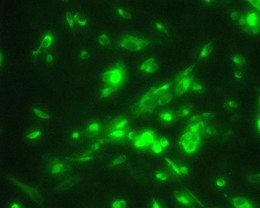
BioE, DNA/RNA Electroporation solution (5x1ml)
SKU: B02-01BioE Electroporation Solution provides a convenient and economical way to transfect primary and suspension cells. It provides excellent transfection efficiencies and cell viabilities during electroporation of DNA and RNA. This solution can be used with a broad range of cells and is compatible with many square wave or exponential decay wave electroporators. Recommended electroporation conditions for select cell types using Square Wave Systems Cell Line Nucleic Acid Voltage (V) Pulse Duration (msec) Cuvette A549 Plasmid or siRNA 160 15 2 mm CHO Plasmid or siRNA 160 15 2 mm CV1 Plasmid or siRNA 100 25 2 mm BHK21 Plasmid or siRNA 140 25 2 mm HL60 Plasmid or siRNA 140 25 2 mm HuT78 Plasmid or siRNA 130 25 2 mm Recommended electroporation conditions for select cell types using Exponential Decay Wave Systems Cell Line Nucleic Acid Voltage (V) Capacitance (µF) Resistance (ohms) Cuvette HeLa Plasmid or siRNA 160 500 ¥ 2 mm Jurkat Plasmid or siRNA 140 1000 ¥ 2 mm K562 Plasmid or siRNA 155 1000 ¥ 2 mm 3T3 Plasmid or siRNA 160 500 ¥ 2 mm
$229.40
-
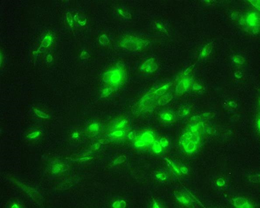
BioE, DNA/RNA Electroporation Solution (50 ml)
SKU: B02-03BioE Electroporation Solution provides a convenient and economical way to transfect primary and suspension cells. It provides excellent transfection efficiencies and cell viabilities during electroporation of DNA and RNA. This solution can be used with a broad range of cells and is compatible with many square wave or exponential decay wave electroporators. Recommended electroporation conditions for select cell types using Square Wave Systems Cell Line Nucleic Acid Voltage (V) Pulse Duration (msec) Cuvette A549 Plasmid or siRNA 160 15 2 mm CHO Plasmid or siRNA 160 15 2 mm CV1 Plasmid or siRNA 100 25 2 mm BHK21 Plasmid or siRNA 140 25 2 mm HL60 Plasmid or siRNA 140 25 2 mm HuT78 Plasmid or siRNA 130 25 2 mm Recommended electroporation conditions for select cell types using Exponential Decay Wave Systems Cell Line Nucleic Acid Voltage (V) Capacitance (µF) Resistance (ohms) Cuvette HeLa Plasmid or siRNA 160 500 ¥ 2 mm Jurkat Plasmid or siRNA 140 1000 ¥ 2 mm K562 Plasmid or siRNA 155 1000 ¥ 2 mm 3T3 Plasmid or siRNA 160 500 ¥ 2 mm
$1,150.00
-
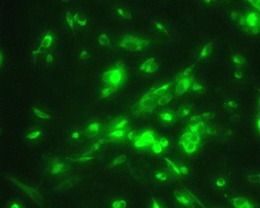
BioE, DNA/RNA Electroporation solution (15 ml)
SKU: B02-02BioE Electroporation Solution provides a convenient and economical way to transfect primary and suspension cells. It provides excellent transfection efficiencies and cell viabilities during electroporation of DNA and RNA. This solution can be used with a broad range of cells and is compatible with many square wave or exponential decay wave electroporators. Recommended electroporation conditions for select cell types using Square Wave Systems Cell Line Nucleic Acid Voltage (V) Pulse Duration (msec) Cuvette A549 Plasmid or siRNA 160 15 2 mm CHO Plasmid or siRNA 160 15 2 mm CV1 Plasmid or siRNA 100 25 2 mm BHK21 Plasmid or siRNA 140 25 2 mm HL60 Plasmid or siRNA 140 25 2 mm HuT78 Plasmid or siRNA 130 25 2 mm Recommended electroporation conditions for select cell types using Exponential Decay Wave Systems Cell Line Nucleic Acid Voltage (V) Capacitance (µF) Resistance (ohms) Cuvette HeLa Plasmid or siRNA 160 500 ¥ 2 mm Jurkat Plasmid or siRNA 140 1000 ¥ 2 mm K562 Plasmid or siRNA 155 1000 ¥ 2 mm 3T3 Plasmid or siRNA 160 500 ¥ 2 mm
$495.00


